

The frustrating stall in your strength gains isn’t just about training harder; it’s a sign that your body’s nightly repair sequences are failing or mis-timed.
- Muscle growth is dictated by hormonal pulses, particularly Human Growth Hormone (HGH), which peaks in a specific deep sleep window you might be missing.
- Recovery is an active process of clearing metabolic waste and managing inflammation, which can be accelerated with precise thermal and low-intensity protocols.
Recommendation: Shift your focus from simply ‘getting sleep’ to strategically timing your nutrition, activity, and environment to align with your body’s non-negotiable circadian biology for repair.
For dedicated athletes, hitting a strength plateau is a deeply frustrating experience. You follow a disciplined training regimen, push your limits in the gym, and eat clean, yet the numbers on the bar refuse to budge. The common advice—”just get more sleep” or “eat more protein”—feels hollow because you’re already doing it. This common wisdom, while not incorrect, overlooks a critical biological reality: muscle repair is not a passive event that simply happens when you close your eyes. It is an active, highly-orchestrated symphony of hormonal signals, cellular cleanup, and protein synthesis that is exquisitely sensitive to timing.
The problem isn’t a lack of effort, but a lack of precision. Your body operates on a strict internal clock, and failure to synchronize your recovery protocols with this circadian rhythm can render even the best efforts useless. The real key to breaking through a performance stall lies not in doing *more*, but in doing the *right things* at the *right biological time*. What if the secret to unlocking new gains wasn’t in adding another training day, but in understanding the non-negotiable window for growth hormone release? Or realizing that a specific type of cardio, done hours after your main workout, could be the key to flushing out the very metabolic byproducts that are inhibiting repair?
This guide moves beyond generic advice. We will dissect the biological mechanisms that govern nightly recovery, treating sleep not as a passive state, but as the most critical and controllable training variable you have. We will explore the precise, evidence-based protocols that can synchronize your lifestyle with your physiology to finally accelerate repair, reduce inflammation, and restart your progress.
This article provides a scientific blueprint for optimizing your body’s natural recovery systems. The following sections break down the key biological levers you can pull, from hormonal timing to metabolic management, to turn your sleep into a powerful engine for muscle growth.
Summary: A Biological Blueprint for Nightly Muscle Synthesis
- Why Missing Deep Sleep Between 10 PM and 2 AM Kills Gains?
- How to Use Zone 1 Cardio to Flush Metabolic Waste?
- Cryotherapy vs. Sauna: Which Reduces Inflammation Better?
- The Alcohol Mistake That Halts Protein Synthesis for 24 Hours
- When to Eat Protein: The Anabolic Window Reality Check
- When to Stop Active Play: The 3-Hour Rule Before Bedtime
- Why a Low Heart Rate Variability Score Means You Should Rest?
- How to Calculate Your Macros to Fuel Performance Without Fat Gain?
Why Missing Deep Sleep Between 10 PM and 2 AM Kills Gains?
The most potent anabolic substance your body produces is Human Growth Hormone (HGH). It is the primary driver of cellular repair, protein synthesis, and tissue regeneration. However, its release is not constant; it occurs in powerful pulses, and the largest of these is inextricably linked to your sleep architecture. Specifically, this hormonal surge happens during the initial cycles of slow-wave sleep (SWS), the deepest, most restorative stage of non-REM sleep. For most individuals with a healthy circadian rhythm, this critical window for peak HGH release falls roughly between 10 PM and 2 AM.
Missing or disrupting this window effectively sabotages your body’s main repair cycle. Going to bed late, exposure to blue light, or a high core body temperature can all prevent you from entering deep SWS during this prime-time period. The consequence is a blunted HGH pulse, meaning your muscles are deprived of the primary signal they need to repair the micro-tears from your workout. According to sleep science, this is not a minor issue; research from the American Board of Sleep Medicine shows that over 70% of daily HGH is released during this deep sleep phase. If you consistently miss it, you are leaving the majority of your recovery potential on the table, leading directly to stalled strength and hypertrophy.
Your Action Plan: The Light and Temperature Hacking Protocol
- Sync to the Sun: Get 10-15 minutes of direct morning sunlight within 30 minutes of waking to anchor your circadian clock.
- Implement a Digital Curfew: Power down all screens (phones, tablets, TVs) at least 60-90 minutes before your target bedtime to protect melatonin production.
- Achieve Total Darkness: Use blackout curtains and/or an eye mask to ensure your sleep environment is completely free of light pollution, which can disrupt deep sleep.
- Optimize Your Thermostat: Set your bedroom temperature between 60-67°F (15-19°C), as a cooler core body temperature is a key trigger for entering deep sleep.
- Enforce Consistency: Maintain the same sleep and wake times every single day, including weekends, to create a predictable and powerful rhythm for hormonal release.
Ultimately, aligning your sleep schedule with this biological imperative is not just “good hygiene”; it is a fundamental requirement for any athlete serious about making progress.
How to Use Zone 1 Cardio to Flush Metabolic Waste?
Intense training creates metabolic byproducts like lactate and hydrogen ions, which contribute to muscle soreness and fatigue. While passive rest allows these substances to clear slowly, active recovery can dramatically accelerate the process. The key is to engage in very low-intensity activity, specifically within Heart Rate Zone 1 (typically 50-60% of your max heart rate). This level of effort is just enough to stimulate blood flow and enhance lymphatic drainage without imposing any additional stress on the already-fatigued muscles.
This gentle increase in circulation acts like a biological flushing system. It shuttles oxygen-rich blood to the damaged tissues while actively transporting metabolic waste away from the muscles to be processed by the liver and kidneys. This process, often referred to as metabolic waste clearance, is crucial for creating a clean cellular environment where repair can begin efficiently. Elite athletes often perform a 15-20 minute session of Zone 1 cardio—such as a light walk, easy cycling, or swimming—approximately 2-3 hours after a hard workout to kickstart this process long before bedtime.

As the image suggests, the goal of this session is not performance but gentle, deliberate movement. It should feel restorative, not taxing. Some professional teams even pair this light activity with tools like pneumatic compression sleeves to further enhance circulation and lymphatic flow. By proactively clearing metabolic debris hours before you sleep, you ensure that your body can dedicate its nighttime resources entirely to hormonal signaling and tissue rebuilding, rather than playing catch-up on cellular cleanup.
This simple protocol transforms recovery from a passive waiting game into a proactive strategy, setting the stage for more efficient and complete muscle repair overnight.
Cryotherapy vs. Sauna: Which Reduces Inflammation Better?
Inflammation is a necessary part of the training response, but chronic or excessive inflammation can impede recovery and blunt anabolic signaling. Two popular methods for managing this are cryotherapy and sauna, but they operate on entirely different biological principles and are best used for different purposes. Cryotherapy involves very short exposure (2-3 minutes) to extremely cold air, inducing rapid vasoconstriction (narrowing of blood vessels). This can provide a powerful “reset” to the central nervous system (CNS) and is particularly effective at blunting the acute inflammatory response after explosive, neurologically demanding workouts.
In contrast, sauna use involves longer exposure (15-20 minutes) to high heat, which promotes vasodilation and the release of heat shock proteins. These proteins help repair damaged cells and have a systemic, gradual anti-inflammatory effect. Critically for athletes, the rise in core body temperature from a sauna, followed by a cool-down period, is a powerful trigger for deep sleep. In fact, specific sleep research indicates that sauna use 90-120 minutes before bed can increase slow-wave sleep duration, directly enhancing the HGH release discussed earlier. While cryotherapy may be better for an immediate post-workout CNS calm-down, a pre-sleep sauna session offers a dual benefit of systemic relaxation and enhanced sleep architecture, making it a superior tool for overall nightly recovery.
This table breaks down the key differences to help you decide which modality best fits your recovery needs and schedule, as detailed in a recent comparative analysis of recovery techniques.
| Factor | Cryotherapy | Sauna |
|---|---|---|
| Temperature | -270°F for 3 minutes | 170-200°F for 15-20 minutes |
| Best Timing | Post explosive/neural training | 90-120 mins before bed |
| Sleep Impact | May increase sleep latency | Increases Slow Wave Sleep |
| Recovery Type | Acute CNS reset | Systemic relaxation |
| Inflammation | Rapid vasoconstriction | Gradual heat shock proteins |
Therefore, while both have their place, for the specific goal of accelerating repair *while you sleep*, the sauna’s ability to improve deep sleep quality gives it a decisive edge.
The Alcohol Mistake That Halts Protein Synthesis for 24 Hours
For athletes, the most damaging effect of alcohol isn’t the empty calories or dehydration; it’s its direct and potent inhibition of muscle protein synthesis. When you consume alcohol, especially after a workout, it triggers a cascade of negative effects that can bring your recovery to a screeching halt. The primary mechanism is the suppression of the mTOR pathway, which is the master regulator of cell growth and protein synthesis in your muscles. Even a moderate amount of alcohol can significantly blunt mTOR signaling, effectively turning off the “build” signal your muscles need to repair and grow.
This effect can last for up to 24 hours, meaning an evening drink can negate the anabolic potential of your workout from that day and even impact your recovery into the next. Furthermore, alcohol wreaks havoc on your sleep architecture. It is a powerful suppressor of REM sleep, the stage critical for cognitive restoration and memory consolidation. It also fragments deep slow-wave sleep, disrupting the HGH pulse that is vital for physical repair. In fact, sleep tracking data reveals that even one drink can reduce sleep quality by 9-10% and significantly lower your Heart Rate Variability (HRV) score overnight, a clear indicator of increased physiological stress.
If consumption is unavoidable, a harm reduction approach is necessary. This involves avoiding alcohol within four hours of bedtime, hydrating aggressively with electrolytes, and consuming a protein-rich meal beforehand to slow absorption. However, for any athlete wondering why their progress has stalled, eliminating alcohol, particularly on training days, is the single most impactful lever to pull. You are not just avoiding a poison; you are removing a direct roadblock to the fundamental biology of muscle growth.
In the context of performance, there is no “safe” amount of alcohol. Its consumption is a direct trade-off against your recovery and long-term progress.
When to Eat Protein: The Anabolic Window Reality Check
The concept of an “anabolic window”—a brief 30-60 minute period post-workout where you must consume protein—is largely a myth, or at least an oversimplification. While post-workout nutrition is important, the body’s sensitivity to protein for muscle repair remains elevated for at least 24 hours. A far more critical and often-overlooked window for protein intake is the period just before sleep. During the 7-9 hours of fasting that occurs overnight, your body can enter a catabolic (breakdown) state. Providing a slow-digesting protein source before bed counteracts this process.
Consuming 20-30 grams of a slow-release protein, like casein, 30-45 minutes before sleep provides a sustained release of amino acids into the bloodstream throughout the night. This ensures your muscles have a constant supply of the building blocks they need to take full advantage of the HGH pulse during deep sleep. Foods like Greek yogurt or micellar casein are ideal choices. They are not only rich in casein but also contain tryptophan, an amino acid that the body converts into serotonin and then melatonin, the hormone that regulates sleep. This creates a powerful synergistic effect: you are simultaneously providing fuel for muscle repair and promoting higher quality, more restorative sleep.
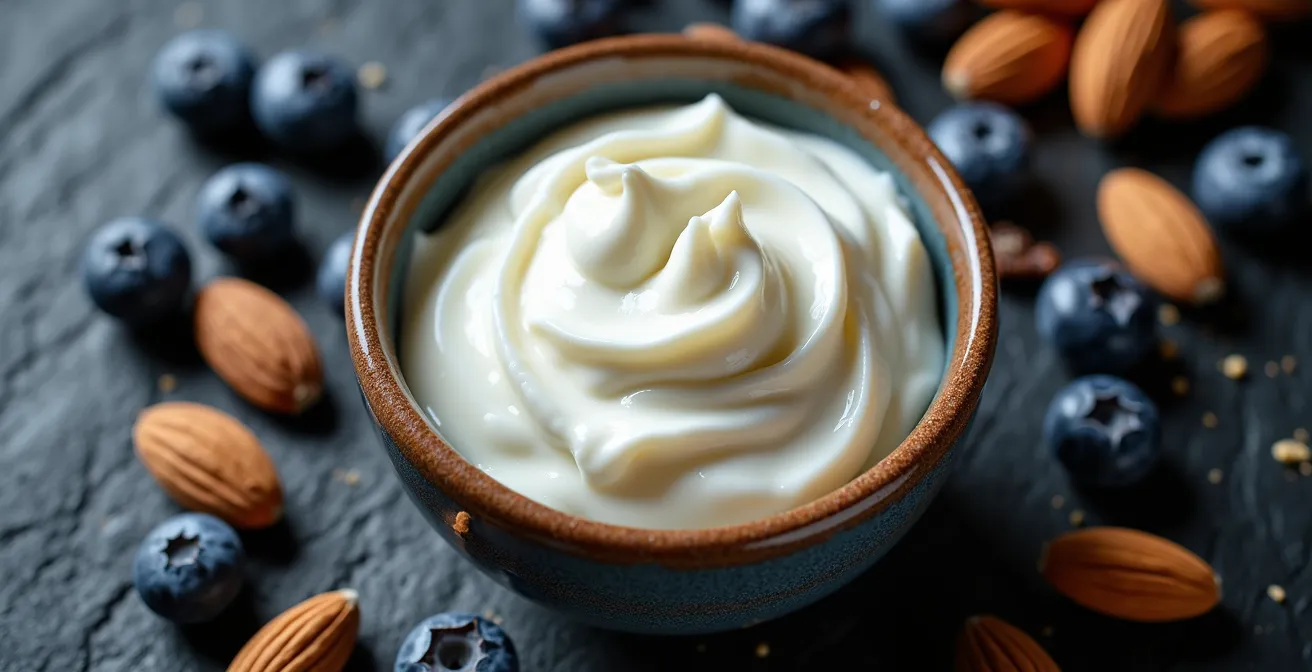
This strategic pre-sleep meal transforms your sleep from a passive, potentially catabolic state into an active, highly anabolic period. Athletes who adopt this protocol often report significant reductions in morning muscle soreness and improved overall recovery. It’s about shifting the focus from a frantic post-workout rush to a calm, deliberate pre-sleep ritual that sets your body up for a full night of uninterrupted growth.
By feeding your muscles before the long nightly fast, you ensure the repair processes initiated by training and deep sleep have all the resources they need to succeed.
When to Stop Active Play: The 3-Hour Rule Before Bedtime
Training late at night presents a significant challenge to sleep-driven recovery. Intense exercise is a physiological stressor that elevates heart rate, core body temperature, and, most importantly, levels of cortisol and adrenaline. These are “daytime” hormones designed for alertness and action; their presence in the evening directly counteracts the production of melatonin, the hormone that signals your brain it’s time to sleep. Attempting to sleep while your system is still flooded with these stress hormones is like trying to brake and accelerate a car at the same time. It leads to increased sleep latency (taking longer to fall asleep) and fragmented, poor-quality sleep.
To mitigate this, a strict 3-hour rule should be implemented: all high-intensity training or active play must cease at least three hours before your intended bedtime. This provides your body with a crucial “cool-down” window to allow heart rate and core body temperature to drop and for cortisol levels to naturally decline. This period is not for passive waiting; it should be used for an active wind-down ritual. As the renowned sleep scientist Dr. Matthew Walker states in his book, “Why We Sleep”:
Sleep is the greatest legal performance-enhancing drug that most people are probably neglecting.
– Dr. Matthew Walker, Why We Sleep
For athletes who must train late, a structured relaxation toolkit is non-negotiable to force the body into a parasympathetic (rest-and-digest) state:
- 4-7-8 Breathing: Inhale through your nose for 4 seconds, hold your breath for 7 seconds, and exhale slowly through your mouth for 8 seconds. Repeat for 5 cycles to calm the nervous system.
- Static Stretching: Perform 10-15 minutes of gentle, static stretching for the major muscle groups worked.
- Cool Shower: Take a lukewarm or cool (not cold) shower to help lower your core body temperature, a key sleep trigger.
- Magnesium Glycinate: Consider a 250-350mg supplement, as magnesium plays a crucial role in muscle relaxation and nervous system regulation.
Ignoring this biological reality in favor of “one more set” is a direct sacrifice of the recovery you’re training so hard to stimulate.
Why a Low Heart Rate Variability Score Means You Should Rest?
Heart Rate Variability (HRV) is one of the most powerful and objective metrics for assessing your body’s recovery status. It measures the variation in time between your heartbeats, and a higher HRV is indicative of a well-rested, resilient, and adaptable nervous system. Conversely, a low HRV score is a clear biological signal that your body is under significant stress and has not fully recovered from previous training loads. It reflects a dominant sympathetic (“fight-or-flight”) nervous system state, which is antithetical to recovery and growth.
For an athlete, training on a day with a low HRV score is counterproductive. You are essentially adding more stress to an already over-stressed system, which not only increases the risk of injury but also pushes you further into a state of overreaching, leading to performance decrements. A low HRV score is your body’s data-driven plea for rest. Listening to this signal is not a sign of weakness; it is a mark of intelligent, sustainable training. As a study in the Journal of Strength and Conditioning Research found that athletes sleeping 8+ hours showed vastly superior recovery rates, prioritizing sleep becomes the number one intervention when HRV is low.
When your wearable device shows a suppressed HRV score upon waking, you should immediately deploy an emergency sleep and recovery protocol for that day and the upcoming night:
- Extend Sleep Opportunity: Plan to add an extra 30-60 minutes to your sleep time that night.
- Prioritize Relaxation: Use a 10-minute meditation app or practice deep breathing before bed to calm the nervous system.
- Optimize Temperature: Ensure your bedroom is cool (65-68°F or 18-20°C) to facilitate deeper sleep.
- Consider a Rest Day: If your HRV remains critically low, skip or significantly deload your morning workout in favor of light active recovery like walking.
By using HRV as your guide, you can modulate your training intensity based on your body’s actual readiness, ensuring that every session is productive and that recovery is always the top priority.
Key Takeaways
- Muscle repair is not passive; it depends on a powerful HGH pulse that occurs primarily during deep sleep between 10 PM and 2 AM.
- Active recovery, such as Zone 1 cardio and pre-sleep sauna sessions, accelerates the clearance of metabolic waste and improves sleep quality.
- Alcohol directly halts protein synthesis by suppressing the mTOR pathway, while a pre-sleep meal of slow-digesting casein provides the fuel needed for overnight anabolism.
How to Calculate Your Macros to Fuel Performance Without Fat Gain?
While total daily calories and macronutrients are paramount, the *timing* of those macros, especially in relation to your circadian rhythm, can be the deciding factor between fueling performance and storing unwanted body fat. The body’s insulin sensitivity is highest in the morning and early afternoon, making this the optimal time to consume the bulk of your carbohydrates. “Front-loading” carbs in this window ensures they are efficiently used to replenish muscle glycogen stores and fuel your day’s activity, rather than being converted to fat.
As evening approaches, insulin sensitivity naturally wanes. Consuming large amounts of carbohydrates late at night can lead to significant blood sugar spikes, which can disrupt sleep architecture and promote fat storage. Therefore, the goal for evening nutrition should be to taper carbohydrates while prioritizing protein and healthy fats. This approach not only supports the pre-sleep protein strategy for muscle repair but also promotes stable blood sugar throughout the night, leading to more consolidated and restorative sleep. Healthy fats from sources like avocado, nuts, and seeds are also crucial as they support the production of hormones like testosterone, which is vital for nightly repair.
This pre-sleep macro timing guide provides a clear framework for structuring your evening meals to maximize recovery and minimize fat gain.
| Time Before Bed | Macro Composition | Example Foods |
|---|---|---|
| 30-45 minutes | 20-30g protein, 5g fat, <10g carbs | Protein shake, Greek yogurt |
| 60-90 minutes | 25-35g protein, 10g fat, 15g carbs | Cottage cheese with berries |
| 90-120 minutes | Full mixed meal allowed | Chicken, rice, vegetables |
By aligning your macronutrient intake with your circadian biology, you create an environment that is primed for muscle repair and fat oxidation, not fat storage, turning your nutrition into a powerful, 24/7 recovery tool.