
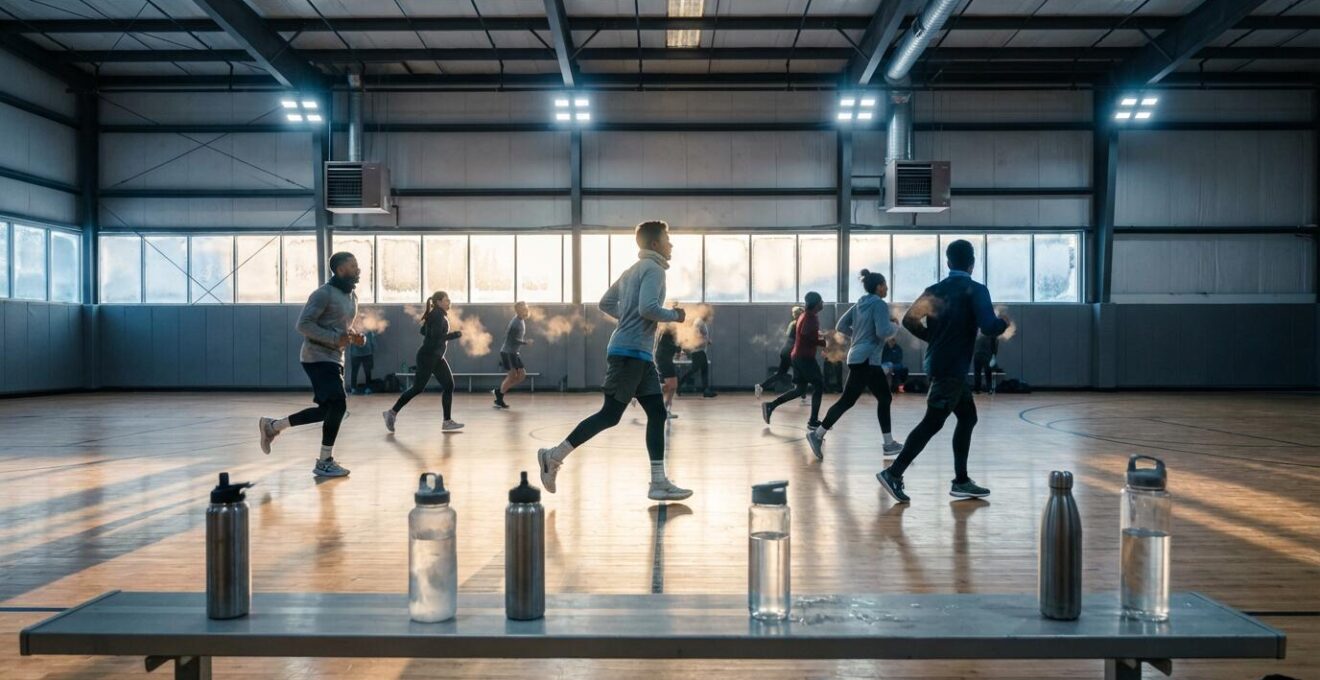
The constant fatigue you feel during winter indoor sports isn’t a lack of fitness; it’s systemic dehydration caused by the gym environment itself actively working against you.
- Dry, heated air forces massive, unnoticed fluid loss through breathing and “invisible sweat,” tricking your body into a dehydrated state.
- Artificial factors like LED lighting, high-grip floors, and echoing noise place an extra cognitive and physical load on a water-depleted system, crushing performance.
Recommendation: Shift your focus from simply drinking when thirsty to a 24-hour environmental management and pre-hydration strategy to build physiological resilience against these hidden stressors.
The familiar burn in your lungs as you sprint across the court, the constant thirst that a quick water break never seems to quench, the mental fog that descends in the second half—these are the hallmarks of winter indoor leagues. Most athletes attribute this to being “out of shape” or simply the intensity of the game. They try to combat it by drinking more water during play, a strategy that often feels like a losing battle. The common advice is to monitor thirst and urine color, but these are reactive measures for a problem that has already taken hold.
But what if the root cause isn’t your personal hydration habits alone, but the very environment you’re playing in? The truth is that indoor gymnasiums are ecosystems uniquely engineered to accelerate dehydration. From the dry, recycled air pumped by HVAC systems to the intense glare of modern lighting, every element conspires to sap your body of vital fluids in ways you don’t even notice. This isn’t just about feeling thirsty; it’s about a state of systemic dehydration that impairs everything from your reaction time to your ability to prevent injuries.
This guide takes a different approach. Instead of repeating the mantra to “drink more water,” we will adopt the perspective of an environmental health specialist to dissect the hidden mechanisms of the indoor environment that sabotage your fluid balance. We will uncover how factors you’ve likely never associated with hydration—like floor friction and ambient noise—are critical pieces of the puzzle. By understanding this environmental sabotage, you can move from a reactive to a proactive strategy, building physiological resilience that lasts the entire game.
This article will break down the specific environmental challenges of indoor sports and provide targeted strategies to counteract them. By exploring the science behind each factor, you’ll gain a comprehensive understanding of how to truly master hydration in the demanding conditions of a winter indoor league.
Summary: A Specialist’s Guide to Indoor Hydration Sabotage
- Why LED Court Lighting Can Affect Your Depth Perception?
- How to Adjust Your Pivot Technique for High-Friction Rubber Floors?
- AC vs. Heated Gyms: Which Environment Drains Stamina Faster?
- The Noise Fatigue Risk That Affects Concentration in Echoing Halls
- When to Switch from Outdoor to Indoor Gear to Avoid Blisters?
- When to Start Hydrating: The 24-Hour Rule Before Competition
- Stability or Speed: Which Shoe Feature Matters More for Wingers?
- How to Hydrate for a 2-Hour Event in Hot Weather?
Why LED Court Lighting Can Affect Your Depth Perception?
The shift to bright, energy-efficient LED lighting in sports facilities has been a game-changer for visibility, but it introduces a subtle physiological stressor. The specific spectrum and intensity of LED lights can alter how your eyes perceive depth and track fast-moving objects. When your body is even mildly dehydrated, this effect is magnified significantly. The fluid balance in your eyes is critical for maintaining the shape of the cornea and the pressure within the eyeball, both of which are essential for sharp, accurate vision.
As dry indoor air saps moisture, your eyes become one of the first victims. This leads to a less stable tear film, causing subtle distortions in light and making it harder to judge the speed of a ball or the distance to an opponent. This visual strain forces your brain to work harder, increasing cognitive load and accelerating mental fatigue. Crucially, research has demonstrated that being dehydrated by just 2% impairs performance in tasks requiring attention and immediate memory, the very skills you need for sharp visual processing.
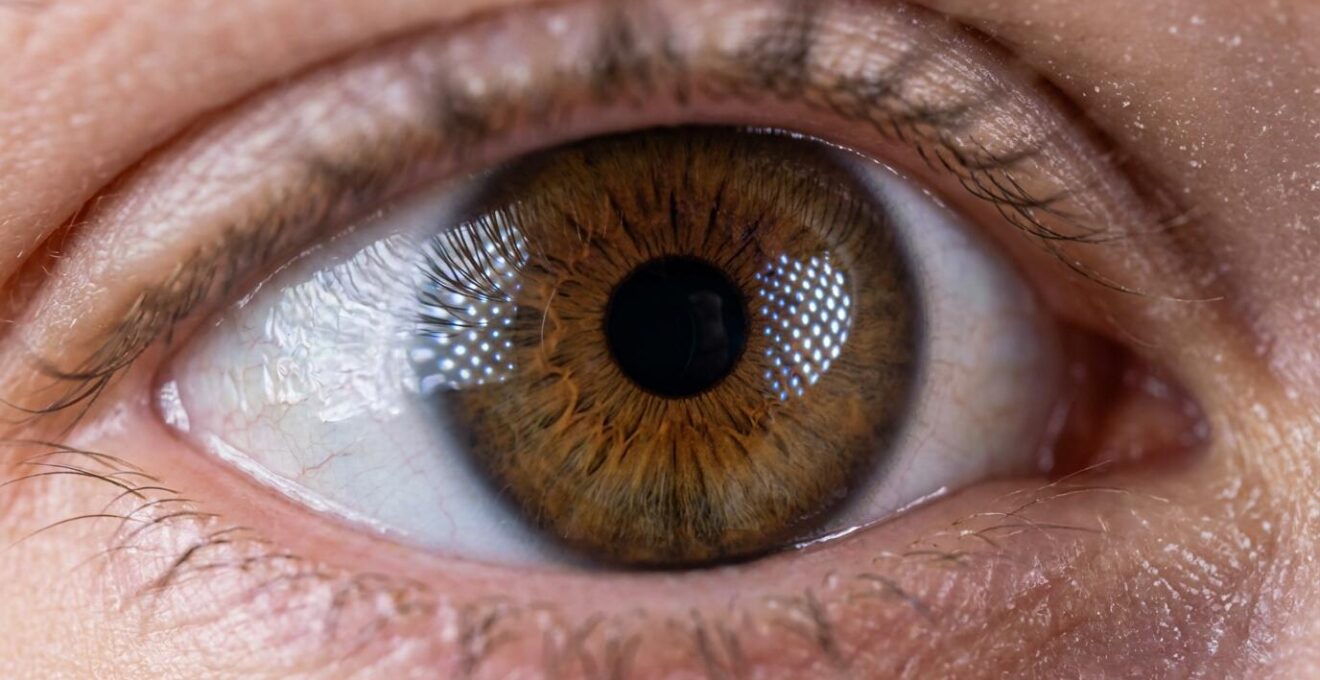
The problem isn’t just the light itself, but how a dehydrated body responds to it. An analysis of sports facility lighting design highlights that strategic placement and aiming angles are vital to enhance depth perception. However, these designs assume a fully functional visual system. When dehydration compromises your eyes’ ability to focus and adapt, even the best-lit court can feel disorienting. Therefore, maintaining optimal hydration is a primary strategy for counteracting the visual challenges of modern indoor courts.
How to Adjust Your Pivot Technique for High-Friction Rubber Floors?
Modern indoor courts, often made of high-friction rubber or composite materials, provide excellent grip for explosive movements. However, this same grip creates immense torsional (twisting) stress on your ankles, knees, and hips during pivots and sharp cuts. When your body is dehydrated, this mechanical stress becomes far more dangerous. Dehydration reduces the volume of synovial fluid, the natural lubricant in your joints, making them less capable of absorbing shock and rotational forces. A “sticky” floor combined with “dry” joints is a recipe for injury.
Furthermore, the increased friction generates more heat at the point of contact between your shoe and the floor. This localized heat, combined with the dry gym air, accelerates fluid loss through perspiration in your feet, creating a micro-environment ripe for blisters and hot spots. An athlete’s body is already working hard to thermoregulate, and high-friction surfaces add another significant challenge. The combination of systemic dehydration and localized stress demands a technical adjustment to your movement.
To mitigate this risk, athletes must adopt techniques that reduce the intense forces on the pivot foot. Key adjustments include:
- The “unweighting” technique: Momentarily reducing the pressure on your pivot foot as you rotate.
- Shortening the pivot radius: Making smaller, quicker turns to minimize the duration of torsional stress.
- Hip-driven rotation: Initiating the turn from your hips rather than twisting from the foot, which distributes forces more safely up the kinetic chain.
These adjustments, combined with a robust hydration strategy to protect joint health, are crucial for long-term performance and injury prevention on modern indoor surfaces.
AC vs. Heated Gyms: Which Environment Drains Stamina Faster?
Intuitively, one might assume a hot, stuffy gym is the ultimate stamina-killer. While it certainly poses a challenge, the dry, heated air of a winter gymnasium is often the more insidious culprit for dehydration. In cold, dry conditions, your body loses a significant amount of water through respiration alone—the vapor you see when you breathe in the cold is water leaving your body. The dry air forces your lungs to work harder to humidify the air you inhale, leading to substantial, unnoticed fluid loss. This is compounded by a suppressed thirst mechanism in colder temperatures, meaning you don’t feel thirsty even when your body is desperate for fluid.
The most dangerous factor in a heated gym is the phenomenon of “invisible sweat.” The air is so dry that perspiration evaporates from your skin almost instantly, before it has a chance to bead or drip. This tricks your brain into believing you aren’t losing much fluid, leading to a profound and rapid decline in hydration levels without the usual warning signs. As one expert on the topic notes:
In dry, heated gyms, sweat evaporates almost instantly, tricking athletes into believing they are not losing much fluid, leading to profound and unexpected dehydration.
– Katie Elliott, Precision Fuel & Hydration
This side-by-side comparison reveals the hidden dangers of a heated winter gym, where the risk of unnoticed dehydration is highest.
| Factor | AC Gym | Heated Gym |
|---|---|---|
| Respiratory Water Loss | Moderate (cool air requires less humidification) | High (dry air requires more humidification) |
| Sweat Evaporation Rate | Slower (higher humidity) | Instant (‘invisible sweat’) |
| Thirst Sensation | Normal to slightly reduced | Significantly suppressed |
| Energy Expenditure | Higher (body works to stay warm) | Moderate (thermoregulation easier) |
| Risk of Unnoticed Dehydration | Low to Moderate | Very High |
While an air-conditioned gym may feel more comfortable, a heated gym requires a far more disciplined and scheduled hydration strategy, as you cannot rely on thirst or visible sweat as indicators.
The Noise Fatigue Risk That Affects Concentration in Echoing Halls
Gymnasiums are notoriously noisy environments. The constant echo of bouncing balls, the screech of sneakers, the shouts of players, and the blare of a buzzer create a relentless auditory assault. This isn’t just a minor annoyance; it’s a significant physiological stressor that causes noise fatigue. Your brain is constantly working to filter out this chaotic background noise to focus on relevant cues, a process that consumes a surprising amount of cognitive energy. When you are properly hydrated, your brain is resilient enough to handle this load.
However, when dehydration sets in, your brain’s processing power plummets. The fluid surrounding your brain and spinal cord, known as cerebrospinal fluid, plays a role in protecting neural tissue and clearing metabolic waste. Reduced hydration can impact this delicate balance, making your brain more susceptible to stressors like noise. The mental effort required to concentrate amidst the cacophony becomes overwhelming, leading to slower reaction times, poor decision-making, and a feeling of being mentally “drained” long before your muscles give out.
The impact is not trivial. A comprehensive meta-analysis found that dehydration exceeding 2% body mass loss impairs attention by 52% and executive function by a staggering 24%. In this compromised state, the constant noise of a gymnasium is no longer just background sound; it becomes a direct saboteur of your focus and performance. Combating noise fatigue, therefore, begins with ensuring your brain is fully fueled and protected through optimal hydration, giving it the resources it needs to manage the demanding sensory environment of indoor sports.
When to Switch from Outdoor to Indoor Gear to Avoid Blisters?
Many athletes make the mistake of using the same worn-in outdoor shoes and socks when they transition to their winter indoor league. While comfortable, this is often a critical error that leads to painful blisters and friction burns. The environmental conditions are fundamentally different. Outdoor air, even when cool, typically has some level of humidity, which helps keep your skin pliable. Indoor heated air is exceptionally dry and actively works to pull moisture from every available source—including your skin.
This process makes the skin on your feet less elastic and more prone to cracking and shearing forces. As experts from Massachusetts General Hospital explain, this is a key factor in winter skin health that directly applies to athletes. A dehydrated system means less moisture is available to keep the skin resilient from the inside out. When you combine this internally and externally induced dryness with the high-friction forces of rubber courts, you create a perfect storm for skin failure.
Dry indoor air actively draws moisture from the skin, making it less pliable and more prone to cracking and friction burns.
– Massachusetts General Hospital, Winter Hydration Guide
Switching to indoor-specific gear is a crucial preventative measure. This includes:
- Indoor court shoes: These are designed with compounds optimized for the grip and abrasion of indoor surfaces, and often feature better ventilation to manage heat.
- Moisture-wicking socks: Synthetic or wool-blend socks designed to pull sweat away from the skin, keeping it as dry as possible to reduce friction. Avoid cotton, which holds moisture against the skin.
- Anti-friction balms: Applying a balm to known hot spots before putting on socks can provide a crucial protective barrier.
Ultimately, preventing blisters is not just about the right gear; it’s about recognizing that your skin is your body’s first line of defense, and it requires adequate hydration to function properly in a harsh, dry environment.
When to Start Hydrating: The 24-Hour Rule Before Competition
The most common hydration mistake athletes make is trying to “catch up” on game day. By the time you feel thirsty, you are already in a state of dehydration, and chugging water right before a game is more likely to lead to stomach cramps and frequent bathroom breaks than effective cellular hydration. The key to peak performance is to begin your hydration protocol a full 24 hours before competition. This strategy, known as pre-loading, ensures your body’s cells, muscles, and joints are fully saturated with fluid and electrolytes well before the first whistle blows.
This isn’t just about drinking plain water. To effectively retain fluid, your body needs sodium. Sodium acts like a sponge, holding water within your bloodstream and tissues, preventing it from being immediately flushed out by your kidneys. Research on professional athletes demonstrates the powerful effect of sodium pre-loading. For instance, a key finding in hockey hydration shows that athletes who preload with an appropriate sodium solution exhibit significantly improved fluid retention. This preparation is a non-negotiable part of elite performance.
Implementing a 24-hour protocol shifts your mindset from reactive drinking to proactive fueling. It treats hydration as a foundational element of preparation, just like sleep or nutrition. Monitoring your morning body weight can also be a more accurate indicator of hydration status than urine color, which can be affected by vitamins and other factors.
Your Pre-Game Hydration Action Plan
- 24 Hours Before: Begin sodium pre-loading by adding 500-750mg of sodium (from electrolyte supplements or food) to each of your main meals.
- Throughout the Day: Consume water-rich foods. Aim for 2 cups of options like watermelon, cucumber, or oranges with your meals to hydrate through nutrition.
- 4 Hours Before: Drink 16-20 ounces of a strong electrolyte solution. The goal is a higher sodium concentration to maximize fluid retention.
- 1 Hour Before: Consume 8-10 ounces of a standard or slightly hypotonic sports drink to top off energy stores and fluid levels without over-filling your stomach.
- Morning Check-In: Use your morning body weight as the primary gauge. A consistent weight indicates good hydration, while a drop of 1-2% signals a need to be more diligent.
Stability or Speed: Which Shoe Feature Matters More for Wingers?
For a winger, whose role is defined by explosive sprints and sharp, agile cuts, shoe selection is critical. The debate often centers on choosing between a lighter, more flexible “speed” shoe and a more structured, supportive “stability” shoe. In the context of a dry indoor environment, the answer depends on how your body is coping with systemic dehydration. As fatigue and dehydration set in, your fine motor control and muscle-stabilizing capabilities degrade, making your ankles more vulnerable to rolling on high-grip surfaces.
Therefore, the choice isn’t static; it’s dynamic. A player might start a game feeling quick and light, favoring a speed-oriented shoe. But as dehydration progresses into the second half, that same shoe may lack the support needed to protect tired joints, making a stability shoe the safer and more effective option. The increased grip of modern rubber courts amplifies this issue, demanding more structural integrity from the shoe to control the powerful braking and cutting forces.
The interaction between shoe choice, court surface, and hydration is a critical performance factor. An analysis of elite players revealed the direct impact of these variables.
Case Study: The Impact of Court Surface on Performance
A study of elite hockey players found that those competing on high-friction rubber surfaces experienced a 15% higher localized foot temperature and a 20% more rapid fluid loss through foot perspiration compared to players on traditional wood courts. Interestingly, players who strategically switched to stability-focused shoes that still incorporated energy-return foam in the second period were able to maintain better performance metrics, even as progressive dehydration took its toll. The added support compensated for their own muscles’ fatigue-induced instability.
For a winger, this suggests a hybrid approach is often best: a shoe that is lightweight but doesn’t sacrifice torsional rigidity and ankle support. Prioritizing stability becomes increasingly important as game duration and intensity increase, acting as an external support system when your internal, muscular support begins to falter due to dehydration.
Key Takeaways
- Systemic dehydration in indoor sports is caused by the entire environment (air, light, floors), not just a lack of drinking water.
- Dry, heated air causes “invisible sweat” and significant respiratory water loss, tricking your body and suppressing thirst.
- True hydration is a proactive, 24-hour strategy involving sodium pre-loading, not a reactive effort during the game.
How to Hydrate for a 2-Hour Event in Hot Weather?
Hydrating for a two-hour event in hot summer weather is a challenge athletes understand well. The primary goal is thermoregulation. You drink cold fluids and welcome sweat as your body’s natural air conditioning system. Thirst is a reliable, albeit slightly delayed, guide. However, applying this same mental model to a two-hour indoor event in the winter is a critical mistake. The goals, mechanisms of fluid loss, and ideal strategies are fundamentally different.
In a dry winter gym, the primary hydration goal is not cooling, but maintaining blood volume and mucosal health. Your body is losing vast amounts of water invisibly through respiration and instant sweat evaporation. As Penn State Extension research shows, athletes can lose up to 40% more water through respiration in cold, dry air compared to more humid conditions. This respiratory loss also dries out the mucous membranes in your throat and lungs, increasing susceptibility to irritation and illness.
Because your thirst sensation is blunted and sweat is invisible, you cannot rely on your body’s signals. A scheduled drinking plan is non-negotiable. The ideal drink composition also changes; while outdoor summer events may call for higher carbohydrate drinks for sustained energy, indoor winter events benefit more from hypotonic or isotonic solutions that are absorbed more rapidly to fight off the rapid, invisible fluid loss.
This table highlights the crucial strategic differences between hydrating for hot outdoor conditions versus dry indoor winter conditions.
| Aspect | Hot Weather Outdoor | Dry Winter Gym |
|---|---|---|
| Primary Goal | Thermoregulation through sweating | Maintaining blood volume and mucosal health |
| Fluid Loss Type | Visible (sweat dripping) | Invisible (respiratory + instant evaporation) |
| Ideal Drink Composition | Higher carbohydrate for energy | Hypotonic/isotonic for rapid absorption |
| Drinking Frequency | When thirsty + scheduled | Scheduled only (thirst suppressed) |
| Post-Exercise Priority | Cooling + volume replacement | Electrolyte balance + mucosal rehydration |
By shifting your approach from simply drinking water to managing your body’s interaction with the entire indoor ecosystem, you can transform your performance and resilience. Begin implementing these proactive strategies today to protect your body from the hidden saboteurs of indoor play.
Frequently Asked Questions About Indoor Hydration and Gear
Do your ankles feel ‘wobbly’ in the second half of games?
If yes, prioritize stability features in your footwear. Dehydration-induced fatigue degrades fine motor control and muscle response time, making robust ankle support crucial for preventing injuries on high-grip surfaces.
Do you rely more on sharp cuts or linear speed?
Athletes who perform frequent, sharp cuts require stability features (like a rigid heel counter and midfoot shank) to control the intense forces generated by high-grip courts. Players who rely more on straight-line speed can benefit from shoes with more flexible, energy-return foam midsoles that reduce the metabolic cost of running.
Is your indoor league played on old wood or modern rubber courts?
The court surface is a critical factor. Older, more worn wood courts have less tackiness and are more forgiving, favoring speed-oriented shoes with softer rubber compounds. Modern, high-friction rubber courts demand stability-focused shoes to manage the intense grip and prevent joint strain.