

In summary:
- Time Vitamin C and collagen intake 30-60 minutes before rehab to maximize collagen synthesis for tendon repair.
- Combat inflammation by strategically stacking anti-inflammatory compounds like turmeric with black pepper and omega-3s.
- Avoid drastic calorie cuts; your body’s metabolic rate increases during healing, and it needs fuel to rebuild tissue.
- Implement protein pacing, consuming 20-40g of high-quality protein every 3-4 hours to fight anabolic resistance.
- Use a combination of fast-digesting (whey) and slow-digesting (casein) proteins to support repair around the clock.
The moment a muscle tears, an athlete’s world shrinks. The frustration isn’t just the pain; it’s the sudden stop, the forced inactivity, and the burning question: “How fast can I get back?” Well-meaning advice often includes generic tips like “eat more protein” or “stay hydrated.” While not wrong, this approach is like having all the parts of a high-performance engine but no blueprint to assemble them. Healing is an active metabolic process, and your diet should be treated as a precise, strategic tool to fuel it, not just a passive habit.
The key to accelerating recovery lies beyond a simple list of “good foods.” It’s in understanding the biochemical protocols of your body. This involves nutrient timing, creating synergistic stacks of compounds, and manipulating your body’s own hormones to your advantage. Forget the vague advice. The real leverage comes from knowing *when* to eat specific nutrients to drive them into healing tissues and *how* to combine them to amplify their effects. Furthermore, it’s crucial to understand that substances like alcohol can severely hinder muscle protein synthesis and should be avoided entirely during the recovery phase to give your body the best possible chance to rebuild.
This guide moves past the platitudes and provides a strategic framework. We will deconstruct the healing process and align it with a targeted nutritional protocol. From leveraging Vitamin C for collagen synthesis to using insulin as a delivery system, you will learn to turn your meals into a powerful component of your rehabilitation, giving you a sense of control and actively shortening your time on the sidelines.
To guide you through this process, this article is structured to provide a clear, actionable protocol. We will explore the specific roles of key nutrients, the timing of their intake, and how to monitor your body’s response to optimize healing.
Summary: A Nutritional Protocol for Muscle Tear Healing
- Why Vitamin C Is Crucial for Tendon Repair?
- How to Use Spices Like Turmeric to Reduce Swelling Naturally?
- Whey vs. Casein: Which Is Better for Overnight Repair?
- The Calorie Restriction Mistake While Injured
- When to Spike Insulin to Drive Nutrients into Cells?
- When to Eat Protein: The Anabolic Window Reality Check
- Why You Get Sick Week 1 of an Intensive Camp?
- How to Distinguish Between Being Tired and Overtraining Syndrome?
Why Vitamin C Is Crucial for Tendon Repair?
When you suffer a soft tissue injury like a muscle tear or ligament strain, your body launches a massive construction project. The primary building material for this repair job is collagen, the protein that provides structure and strength to your connective tissues. However, your body cannot synthesize collagen without a critical co-factor: Vitamin C. It acts as the essential “spark plug” in the enzymatic reactions that weave amino acids into strong collagen fibers. Without adequate Vitamin C, this entire process grinds to a halt, severely compromising the quality and speed of your recovery.
But it’s not just about having enough Vitamin C in your system; it’s about having it available when it matters most. The concept of nutrient timing is paramount here. Blood flow to tendons and ligaments is naturally low, but it increases during movement. By consuming Vitamin C alongside a source of collagen or gelatin, you create a powerful healing cocktail. Research indicates that the optimal strategy is to time your Vitamin C intake 30-60 minutes before rehabilitation exercises. This ensures that the peak concentration of these building blocks in your bloodstream coincides with the increased blood flow to the injured area, delivering them directly where they are needed for maximum impact.
To put this into practice, think beyond just a supplement. Pair Vitamin C-rich foods like bell peppers, kiwi, and citrus fruits with sources of zinc such as pumpkin seeds or lean meats to further support protein synthesis. Athletes recovering from tendon injuries who time their intake this way have demonstrated improved healing outcomes. This strategic approach transforms a simple vitamin into a targeted therapeutic agent, actively accelerating the reconstruction of your damaged tissue.
How to Use Spices Like Turmeric to Reduce Swelling Naturally?
Following an injury, your body’s initial inflammatory response is a necessary part of the healing cascade, signaling for repair cells to rush to the site. However, chronic or excessive inflammation can impede recovery, increase pain, and slow down the rebuilding process. While over-the-counter anti-inflammatory drugs can offer relief, they may also interfere with long-term tissue healing. A more sustainable and synergistic approach is to manage inflammation through nutrition, using potent natural compounds found in common spices.
The star player in this arena is curcumin, the active compound in turmeric. Curcumin is a powerful anti-inflammatory that works by down-regulating multiple inflammatory pathways in the body. The challenge, however, is its poor bioavailability. To make it effective, you must practice synergistic stacking: combining it with other elements to enhance its absorption and potency. The most well-known combination is turmeric with black pepper; the piperine in pepper can increase curcumin’s absorption by up to 2000%. Furthermore, since curcumin is fat-soluble, consuming it with a source of healthy fat like coconut oil or avocado ensures it gets into your system effectively.
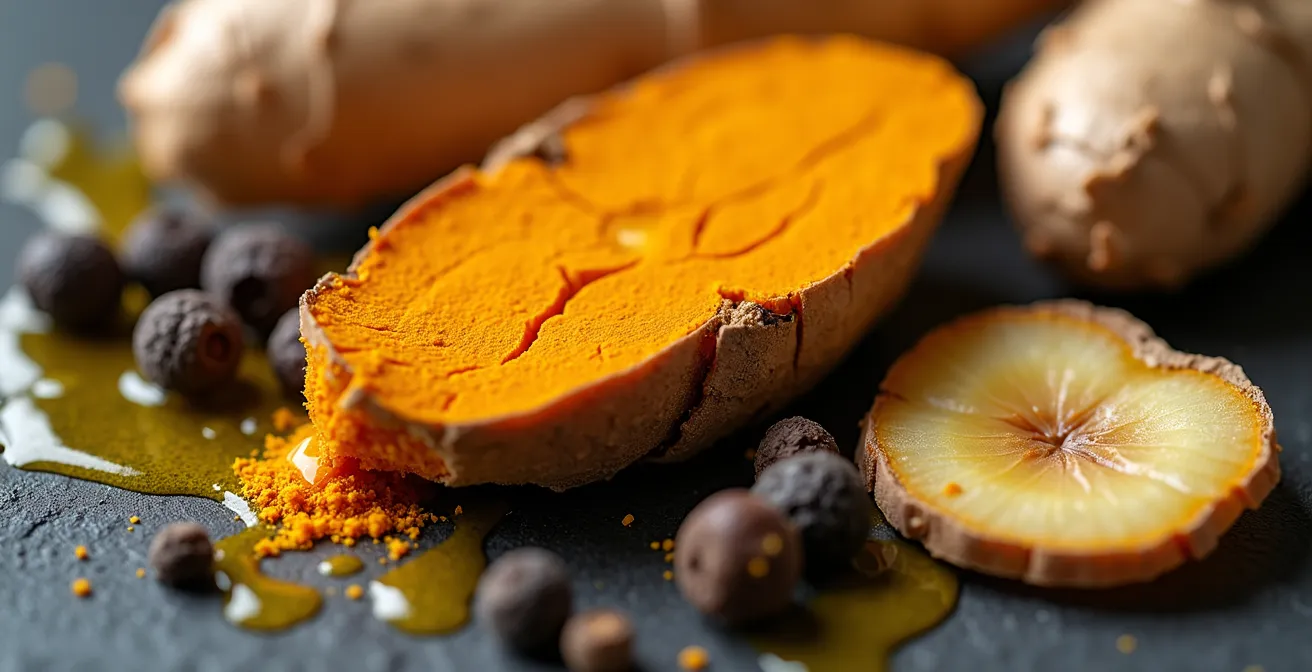
This image highlights the raw, potent ingredients of an anti-inflammatory blend. To create a comprehensive anti-inflammatory effect, you can further stack curcumin with other natural compounds. Ginger works on different inflammatory pathways, while bromelain (from pineapple) and omega-3 fatty acids provide additional support. For omega-3s, a typical therapeutic dosage to combat inflammation ranges from 1,000 to 3,000 mg of combined EPA and DHA per day. By combining these elements, you create a multifaceted defense against excessive swelling, allowing the body’s natural healing process to proceed without unnecessary hindrance.
Whey vs. Casein: Which Is Better for Overnight Repair?
Once inflammation is managed, the primary focus shifts to rebuilding the damaged muscle fibers. This requires a steady supply of amino acids, the building blocks of protein. However, an injured and immobilized muscle develops a condition known as anabolic resistance. This means the muscle becomes less sensitive to the normal signals that trigger growth and repair, requiring a higher dose of protein to stimulate muscle protein synthesis (MPS). Research from the National Center for Biotechnology Information shows that injured athletes often need a robust intake of 35-40g of protein in a single sitting to overcome this resistance and effectively kick-start the rebuilding process.
This is where the type of protein you consume becomes strategically important. Not all proteins are created equal in their speed of digestion and amino acid delivery. The question isn’t whether whey or casein is “better,” but rather how to use them synergistically for 24/7 repair. Whey protein is a fast-digesting protein, causing a rapid spike in blood amino acid levels. This makes it ideal for consumption around your rehabilitation sessions, providing a quick flood of building materials to the muscle when it’s most receptive.
On the other hand, casein protein is slow-digesting. It forms a gel in the stomach, leading to a slow and sustained release of amino acids into the bloodstream over several hours. This makes it the perfect choice for overnight repair. Consuming a casein-rich food like Greek yogurt or a casein protein shake before bed provides a steady drip-feed of amino acids throughout the night, combating muscle breakdown (catabolism) and supporting anabolic processes while you sleep. The optimal strategy is not to choose one over the other but to combine them: use fast-acting whey for immediate post-rehab repair and slow-acting casein to ensure your recovery continues uninterrupted overnight.
The Calorie Restriction Mistake While Injured
When an injury forces an athlete into a period of reduced activity, the first instinct is often to slash calorie intake to avoid gaining unwanted body fat. While logical on the surface, this is one of the most detrimental mistakes you can make for your recovery. Healing is an incredibly energy-intensive process. Your body is working overtime to manage inflammation, clear out damaged cells, and synthesize new tissue. This physiological stress triggers a phenomenon known as metabolic upregulation.
Contrary to what you might expect, your Basal Metabolic Rate (BMR)—the energy your body burns at rest—doesn’t decrease; it actually increases significantly. Depending on the severity of the injury, research shows that energy expenditure can rise by 15-50%. Cutting calories too aggressively at this time is like asking a construction crew to build a skyscraper without providing enough steel and concrete. You starve the healing process of the very energy it needs to function, leading to delayed recovery, increased muscle loss, and compromised tissue quality.
A smarter approach is a form of “reverse dieting” tailored for injury. During the initial, most acute phase (1-2 weeks), it’s often best to maintain your current calorie intake to fuel the intense inflammatory and repair responses. If your activity level drops significantly for a longer period, a modest reduction of 10-15% might be appropriate, but protein intake should remain high (1.6-2.5g/kg of body weight) to preserve muscle mass. As you begin rehabilitation and your activity level increases, you should gradually increase your caloric intake to match your new energy demands. The goal is to provide your body with ample energy to heal efficiently without accumulating excess fat, a delicate balance that requires careful monitoring, not drastic cuts.
When to Spike Insulin to Drive Nutrients into Cells?
In the world of fitness, insulin is often portrayed as a villain responsible for fat storage. However, for an injured athlete, insulin is one of the most powerful allies you can have. It is the body’s primary nutrient transport hormone, acting like a key that unlocks your muscle cells to allow glucose, amino acids, and other vital nutrients to enter. Strategically “spiking” insulin at the right times can dramatically enhance the delivery of building blocks to your healing tissues, accelerating repair and replenishment.
The most critical time to leverage this mechanism is in the window immediately following your rehabilitation exercises. During this period, your muscle cells are highly sensitive to insulin. Consuming a meal or shake that combines fast-acting carbohydrates with high-quality protein creates a potent anabolic environment. The carbohydrates trigger an insulin release, and that insulin then “shuttles” both the glucose (for glycogen replenishment) and the amino acids (from the protein) directly into the muscle cells that were just worked.

An ideal post-rehabilitation meal, as depicted here, is simple and effective. A classic approach is to aim for a carb-to-protein ratio of around 3:1 or 4:1. This could look like chocolate milk, a banana with Greek yogurt, or a more structured meal of white rice and chicken breast. The goal is to choose easily digestible sources to ensure rapid absorption. Including about 5g of creatine monohydrate in this post-rehab meal can further enhance recovery, as insulin also improves creatine uptake into the muscle. By timing this insulin spike precisely, you ensure that the raw materials for repair are delivered with maximum efficiency, directly to the construction site.
When to Eat Protein: The Anabolic Window Reality Check
For years, the concept of the “anabolic window” has dominated sports nutrition, suggesting athletes must consume protein within a tight 30-60 minute window post-workout or risk wasting their efforts. While there is a period of heightened sensitivity after exercise, the idea of a narrow, make-or-break window is largely a myth, especially for an injured athlete. The real key to maximizing muscle repair and fighting off the catabolic effects of disuse is not a single, perfectly-timed shake, but a consistent, day-long strategy of protein pacing.
As we discussed, injury-induced immobility leads to anabolic resistance, making your muscles less responsive to growth signals. To overcome this, you need to provide a strong, consistent stimulus. The most effective way to do this is by distributing your protein intake evenly throughout the day. Instead of one or two massive protein-heavy meals, the evidence suggests protein should be distributed in 20-40g doses every 3-4 hours. This approach repeatedly elevates muscle protein synthesis, creating a sustained anabolic environment that effectively fights muscle breakdown and promotes rebuilding around the clock.
Each of these protein feedings should be rich in the amino acid leucine, the primary trigger for MPS. Sources like whey protein, eggs, chicken, and beef are excellent choices. This constant supply of amino acids ensures your body always has the raw materials on hand to repair damaged tissue whenever a healing process is initiated. The old “anabolic window” concept created unnecessary stress; protein pacing provides a more effective, less frantic, and scientifically-supported strategy for ensuring your body is in a constant state of repair.
Your Action Plan: Protein Pacing Protocol for Injured Athletes
- Start your day with a high-protein breakfast of 30-40g, including leucine-rich sources like eggs or Greek yogurt.
- Set a timer or reminder to consume a 20-40g protein dose every 3-4 hours throughout the day to maintain elevated MPS.
- Prioritize high-quality protein sources at each meal, such as whey, eggs, chicken, fish, or lean beef.
- Consume a slow-digesting protein source like casein or cottage cheese 30 minutes before bed to fuel overnight repair.
- Track your total daily protein intake to ensure you are meeting your target, which for injured athletes should be between 1.6-2.5g per kg of body weight.
Why You Get Sick Week 1 of an Intensive Camp?
Athletes often experience a sudden illness in the first week of an intensive training camp or a dramatic increase in training volume. This phenomenon is not a coincidence; it’s a direct consequence of the immense physiological stress placed on the body. A sudden spike in training load creates a massive demand for resources for both performance and recovery, and it temporarily suppresses the immune system. This creates an “open window” for opportunistic infections. The exact same principle applies to the stress of a significant injury, which is why a robust nutritional strategy is non-negotiable for both scenarios.
The primary culprit is often an energy and protein deficit. When the body’s demands skyrocket, but intake doesn’t match it, you enter a catabolic state where the body starts breaking down its own tissues for fuel. This compromises not only muscle repair but also immune function, as many immune cells are made from protein. Some athletes, particularly in aesthetic or weight-class sports, may intentionally or unintentionally under-eat, further exacerbating the problem. When your body is under-fueled, it must prioritize, and immune defense can take a backseat to more immediate survival functions.
To guard against this, it is essential to match your nutritional intake to your physiological demands. During periods of intense stress, whether from a training camp or an injury, protein needs are elevated. Highly active athletes often require an increased protein intake to 1.6-2.5 g/kg/day to support recovery and immune function. Ensuring you are in a sufficient caloric state, with adequate protein, carbohydrates for fuel, and micronutrients from fruits and vegetables, provides your immune system with the resources it needs to stay strong. It’s not just about healing the muscle; it’s about keeping the entire system resilient enough to handle the stress of recovery.
Key takeaways
- Recovery is an active, energy-demanding process; do not drastically cut calories when injured.
- Nutrient timing is key: consume Vitamin C with collagen before rehab and a protein/carb mix immediately after.
- Focus on protein pacing (20-40g every 3-4 hours) rather than a single “anabolic window” to maintain a constant state of repair.
How to Distinguish Between Being Tired and Overtraining Syndrome?
As an athlete recovers from an injury, there is a fine line between the productive fatigue that signals progress and the systemic exhaustion that indicates you’re pushing too hard, too soon. Pushing through normal tiredness is part of getting stronger, but ignoring the signs of overtraining can lead to setbacks, re-injury, or the development of Overtraining Syndrome (OTS)—a state of chronic fatigue and performance decline. Learning to listen to your body and interpret its signals is perhaps the most critical skill for a successful return to sport.
Being tired is a normal, acute response to a challenging workout. Your muscles are sore, you feel a bit drained, but after adequate rest and nutrition, you bounce back stronger. Overtraining, however, is a chronic, systemic state. It occurs when the cumulative stress of training and life exceeds your body’s ability to recover. The fatigue is persistent and profound, and performance doesn’t just stagnate; it declines. One of the best ways to distinguish between the two is to monitor objective biometric data. A consistent elevation in your morning resting heart rate (e.g., >5-10 bpm above your normal) or a sustained decrease in Heart Rate Variability (HRV) are classic red flags that your nervous system is not recovering.
Other signs include persistent muscle soreness lasting more than 72 hours, disrupted sleep patterns, a loss of appetite despite high energy expenditure, and a noticeable drop in motivation or mood. Proper nutritional recovery is your first line of defense. Ensuring you are replenishing glycogen stores is vital; post-exercise carbohydrate recommendations are 1 g/kg body weight per hour for 4 hours to adequately refuel. By tracking these metrics and fueling your recovery diligently, you can learn to autoregulate your training, pushing hard when your body is ready and backing off when it’s sending warning signs, ensuring a safe and sustainable path back to peak performance.
By shifting your mindset from passive rest to active nutritional recovery, you transform your diet into one of the most powerful tools in your rehabilitation arsenal. This strategic protocol is your roadmap to not only healing faster but returning to your sport stronger and more resilient than before.