
Adventure travel represents a fundamental shift from passive tourism to active engagement with environments that challenge both body and mind. Whether you’re paddling into ocean swells, trekking through high-altitude terrain, or immersing yourself in intensive training camps, the margin between transformative experience and preventable mishap often comes down to preparation and knowledge. Understanding the specific demands of each adventure discipline—from wave dynamics to altitude physiology—transforms uncertainty into confident exploration.
This comprehensive resource connects the essential skills, safety protocols, and planning strategies across major adventure travel disciplines. From mastering ocean environments and navigating retreat experiences to preparing for high-altitude expeditions and training camps, you’ll discover the foundational concepts that seasoned adventure travelers rely on. Each section addresses practical concerns while building the broader understanding needed to make informed decisions about your next adventure.
Adventure travel demands active participation rather than passive observation. While conventional vacations prioritize comfort and predictability, adventure experiences intentionally incorporate physical challenge, skill development, and environmental variables you cannot control. A beach resort filters out nature’s unpredictability; a surf camp teaches you to read and respond to it.
This fundamental difference creates unique preparation requirements. You cannot simply book flights and accommodations—you must assess your current fitness level, acquire specific technical skills, understand environmental hazards, and select appropriate gear. A mountain expedition requires knowledge of altitude acclimatization schedules; a surf trip demands understanding of ocean safety and wave conditions; a retreat experience needs mental preparation for intensity and isolation.
The reward structure differs equally. Traditional tourism offers relaxation and cultural exposure. Adventure travel provides skill acquisition, physical adaptation, and psychological growth through manageable challenge. Research consistently shows that participants report increased self-efficacy and lasting behavioral changes when they successfully navigate demanding environments with proper preparation.
Ocean-based activities present unique challenges because the environment constantly changes and operates on timescales beyond human control. Success requires understanding both the physical dynamics of water and the social structures that keep participants safe.
Ocean literacy—understanding currents, tides, wave formation, and marine ecosystems—forms the foundation of water safety. Rip currents alone account for approximately 80% of beach rescues, yet most are avoidable when you recognize the telltale signs: gaps in breaking waves, discolored water, or foam channels extending seaward. Wave period (the time between successive waves) determines power more than height; a six-foot wave with a 15-second period carries exponentially more energy than the same height with an 8-second period.
Environmental responsibility extends beyond personal safety. Marine ecosystems face unprecedented pressure, and adventure travelers bear responsibility for minimizing impact through proper waste management, reef-safe products, and respecting wildlife boundaries. Many premier surf destinations now require environmental orientation before water access.
Lineup hierarchy—the unwritten rules governing who takes which waves—prevents collisions and conflicts in crowded surf breaks. Priority typically goes to the surfer closest to the peak or deepest in the pocket, but local variations exist. Observing before paddling out demonstrates both safety awareness and cultural respect.
Equipment selection dramatically affects safety and performance. Wetsuit thickness depends on water temperature, but also duration and activity level. A 3/2mm suit works for 60-65°F water during active surfing but may prove inadequate for longer sessions with significant paddling. Optimizing paddle power requires understanding body position, stroke mechanics, and timing—inefficient paddling causes early fatigue and increases wipeout risk during critical takeoff moments.
Retreat experiences—whether yoga, meditation, fitness, or wellness-focused—offer intensive personal development in structured environments. Unlike casual vacations, retreats compress significant psychological and physical work into condensed timeframes, creating both opportunity and challenge.
Retreat dynamics typically involve reduced external stimulation, scheduled activities, dietary modifications, and group living. This intentional container facilitates the mental reset many participants seek, but the intensity can overwhelm unprepared individuals. Understanding these dynamics beforehand allows realistic expectations rather than mid-retreat disappointment.
Preparation for immersion should address three dimensions:
Reintegration—returning to normal life after intensive retreat experiences—requires equal attention. The post-retreat period often determines whether insights translate into lasting change or fade within weeks. Scheduling lighter work commitments immediately after, maintaining specific practices, and processing experiences through journaling or discussion helps bridge the gap between retreat intensity and daily reality.
Destination selection involves balancing aspiration with honest self-assessment. The world’s premier adventure locations often demand specific skill levels, fitness baselines, or environmental tolerances that marketing materials downplay.
Comparing destination types requires understanding the skill-to-infrastructure ratio. Established adventure hubs offer excellent access, instruction, and safety infrastructure ideal for skill development. Remote locations provide authentic experiences but demand self-sufficiency and higher baseline competence. First-time surf travelers benefit from well-known breaks with surf schools and rescue resources; experienced surfers might seek uncrowded reef breaks requiring navigation and medical self-reliance.
Avoiding tourist traps means recognizing when “adventure” labeling masks conventional tourism with superficial challenges added. Genuine adventure travel prioritizes skill development and authentic environmental engagement over photo opportunities and luxury amenities. Warning signs include:
Skill acquisition holidays work best when primary objectives align with trip structure. Dedicating a week to surf improvement requires choosing breaks appropriate for your current level, booking instruction if needed, and allowing adequate rest between sessions for skill consolidation.
Structured training camps compress months of potential progress into intensive periods through expert coaching, optimized facilities, and elimination of daily life distractions. However, this concentration creates specific challenges requiring proactive management.
Volume shock—the physical stress from sudden training increases—represents the primary injury risk. Athletes accustomed to three weekly sessions suddenly facing twice-daily training need progressive adaptation. Well-designed camps build volume gradually across the program, but participants arriving from sedentary periods remain vulnerable. Arriving with a solid fitness base and communicating honestly with coaches about capacity prevents overuse injuries.
Comparing camp structures reveals important differences. Some emphasize technical skill development through drills and video analysis; others prioritize volume and intensity for physical adaptation. Mixed-level camps offer community and varied perspectives but may compromise individual attention; level-specific camps provide targeted progression but limited peer diversity. Your current needs should drive selection—beginners benefit from technical focus while experienced athletes often seek volume they cannot achieve independently.
Packing essentials for training camps extend beyond obvious gear:
Avoiding staph infections requires vigilance in warm, humid environments with shared equipment. Showering immediately after training, avoiding shared towels, treating cuts promptly, and never sharing razors prevents most transmission. Early recognition—red, swollen, painful areas—enables quick treatment before serious complications develop.
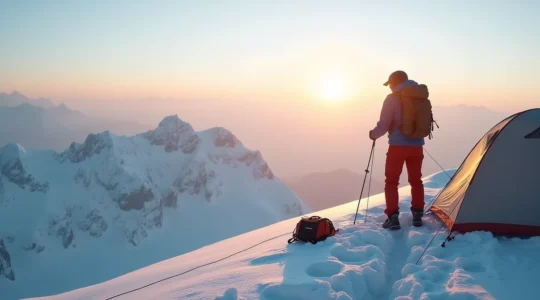
Mountain environments combine reduced oxygen availability with technical terrain, severe weather, and limited rescue access. This convergence demands both physiological preparation and meticulous gear selection.
Acute mountain sickness (AMS) affects roughly 25% of people at 8,000 feet and 50% above 10,000 feet. Symptoms—headache, nausea, fatigue, and sleep disturbance—emerge from fluid shifts as the body adapts to reduced oxygen. Prevention centers on gradual ascent: sleeping elevation should increase no more than 1,500 feet daily above 10,000 feet, with rest days every 3,000 feet.
Individual susceptibility varies unpredictably. Previous high-altitude success does not guarantee future immunity; fitness level offers no protection. Recognizing symptoms early and responding appropriately—halting ascent, descending if symptoms worsen—prevents progression to life-threatening pulmonary or cerebral edema. The mountaineering maxim “climb high, sleep low” optimizes acclimatization by exposing the body to altitude stress while allowing recovery at lower elevations.
Layering systems for mountain environments must accommodate extreme temperature swings and variable exertion levels. The classic three-layer approach—base layer for moisture management, insulation layer for warmth, shell layer for wind and precipitation—works only when each component suits conditions and integrates properly. A synthetic or merino base layer regulates temperature through wicking; cotton retains moisture and accelerates heat loss. Mid-layers range from lightweight fleece for active climbing to heavy down for stationary belays.
Breaking in boots before expeditions prevents the painful blisters that end trips prematurely. New boots require 20-50 miles of varied terrain to conform to individual foot shape and identify pressure points while solutions remain available. Wearing expedition-weight socks during break-in ensures accurate fit assessment.
Optimizing pack weight involves ruthless prioritization. Every unnecessary pound increases energy expenditure and slows pace on multi-day expeditions. Experienced mountaineers weigh every item, seek multi-use gear, and distinguish true safety equipment from comfort items. A base weight (excluding food, water, and fuel) below 20 pounds enables faster movement and greater safety margins.
Summit fever—the psychological drive to reach objectives despite warning signs—causes more mountain accidents than technical errors. Deteriorating weather, late timing, or team member struggles demand objective assessment unclouded by emotional investment. Establishing turnaround times before departure and empowering any team member to call retreat creates accountability structures that override in-the-moment rationalization.
Adventure travel offers unmatched opportunities for growth, skill development, and authentic engagement with remarkable environments. Success requires moving beyond enthusiasm to systematic preparation across physical conditioning, technical skills, equipment selection, and risk management. Whether you’re drawn to ocean adventures, transformative retreats, intensive training camps, or high-altitude expeditions, building foundational knowledge in each discipline’s specific demands transforms aspiration into achievable reality. Start with honest self-assessment, invest time in proper preparation, and approach each adventure as both challenge and learning opportunity.
Success at high altitude isn’t determined by your V̇O2 max, but by your system’s resistance to failure under low-oxygen stress. Physical fitness doesn’t prevent altitude sickness; targeted physiological and cognitive training does. Your gear is part of your training. Its…
Read more
The biggest threat to your training trip isn’t your cardio; it’s a cascade of preventable system failures that have nothing to do with your fitness level. Your immune system will crash under the combined stress of travel, new pathogens, and…
Read more
A truly transformative yoga retreat isn’t found by looking at a map, but by looking inward; it’s a precision tool for your specific psycho-physiological state, not a photogenic holiday. The environment (jungle vs. mountain) should be selected to counteract your…
Read more
The secret to spotting dangerous rip currents isn’t just about looking for visual signs; it’s about reading the ocean’s entire energy system before you even touch the water. Long-period swells, even on small days, pack immense power and create the…
Read more