
Choosing the right sports equipment and accessories can feel overwhelming. Marketing messages promise revolutionary performance gains, while price tags range from budget-friendly to eye-wateringly expensive. Whether you’re setting up a home gym, replacing worn-out running shoes, or investing in technical outdoor gear, the decisions you make impact not only your wallet but also your safety, performance, and enjoyment of your chosen activity.
This resource breaks down the essential knowledge areas every athlete and enthusiast should understand. From analyzing the true cost of high-end equipment to maintaining technical fabrics, from proper footwear fitting to sustainable gear practices, these fundamentals will help you make confident decisions that align with your goals, skill level, and values. The key is understanding that smart equipment choices aren’t about buying the most expensive options—they’re about finding the right balance between performance, durability, and genuine value.
The sports equipment market thrives on innovation claims and premium pricing, making it essential to distinguish between meaningful performance advantages and clever marketing. Understanding how to evaluate equipment objectively protects your budget while ensuring you get gear that truly serves your needs.
The sticker price tells only part of the story. A cost-per-use analysis reveals the real value of equipment over its lifetime. A pair of running shoes costing twice as much but lasting three times longer represents better value than cheaper alternatives that deteriorate quickly. Calculate this by dividing the total cost by estimated usage frequency—a home rowing machine used four times weekly for five years costs far less per session than gym memberships over the same period.
Watch for marketing hype that inflates perceived value without delivering measurable benefits. Terms like “revolutionary,” “pro-grade,” or “technology-enhanced” often carry premium pricing without proportional performance gains. Instead, focus on specific, testable features: actual weight differences, measurable durability improvements, or documented biomechanical advantages. Independent reviews and long-term user feedback provide more reliable insights than manufacturer claims.
One of the most common purchasing mistakes is the skill-gear mismatch—buying advanced equipment before developing the fundamentals to benefit from it. Think of it like learning to drive: a beginner doesn’t need a racing car’s responsive handling; they need predictable, forgiving characteristics while building competence.
Intermediate equipment often provides the best value for developing athletes. It offers quality construction and performance features without the specialized characteristics that only advanced users can exploit. As your skills progress, you’ll develop clearer preferences about what matters most—weight versus durability, responsiveness versus stability, versatility versus specialization. These informed preferences should guide your next purchase, not marketing trends.
Timing significantly impacts both price and selection. Purchasing patterns follow predictable cycles:
Conversely, avoid purchasing during peak demand seasons—buying winter sports equipment in November or fitness gear in January means paying premium prices when everyone else is shopping too.
Footwear represents perhaps the most critical equipment decision for most athletes. Poor choices lead to discomfort, reduced performance, and potentially serious injuries. Understanding biomechanics, fit, and maintenance ensures your feet receive proper support throughout your activities.
Your feet’s natural movement patterns should dictate footwear selection, not aesthetics or brand loyalty. Pronation—the inward rolling motion during foot strike—varies significantly between individuals. Overpronators need stability features to prevent excessive inward roll, while underpronators (supinators) require cushioning to compensate for reduced natural shock absorption. Neutral pronators have the widest range of suitable options.
Gait analysis, offered at specialty running stores or sports medicine clinics, provides objective data about your biomechanics. This assessment reveals pressure patterns, strike angles, and movement irregularities that influence appropriate footwear characteristics. Orthopedic considerations matter equally—existing conditions like plantar fasciitis, bunions, or arch issues require specific support features to prevent aggravation.
Sizing errors cause surprisingly common problems. Feet swell during activity, requiring shoes fitted with adequate toe box space—approximately a thumb’s width between your longest toe and shoe end. Width matters as much as length; cramped feet develop blisters, numbness, and potential long-term deformities. Always fit shoes later in the day when feet are naturally expanded, wearing the socks you’ll use during activity.
Athletic footwear has finite lifespans determined by mileage and usage intensity rather than visible wear. Running shoes typically last 300-500 miles depending on runner weight, gait pattern, and surface type. The midsole foam compresses and loses shock absorption capabilities long before outsoles show significant wear—this invisible degradation increases injury risk.
Track your usage systematically using apps, logbooks, or simple calendar markings. When you notice reduced cushioning feel, increased fatigue in feet or legs, or asymmetric wear patterns, replacement time has arrived. Don’t wait for obvious deterioration; performance decline happens gradually and subtly.
Shoe rotation extends lifespan while reducing injury risk. Alternating between two or three pairs allows midsole foam to fully decompress between uses, maintaining cushioning properties longer. This practice also accommodates different training types—stability shoes for long runs, lighter models for speed work, trail-specific options for off-road sessions. The investment in multiple pairs pays for itself through extended per-shoe longevity and reduced injury-related costs.
Manufacturers employ various cushioning systems—gel inserts, air pockets, foam compounds, mechanical structures—each with distinct characteristics. Rather than choosing based on marketing names, understand the functional differences:
The “best” cushioning system depends entirely on your biomechanics, preferences, and primary activities. Trial periods and honest self-assessment matter more than technology buzzwords.
Home gyms offer convenience and long-term cost savings, but poor planning leads to unused equipment cluttering living spaces. Strategic setup prioritizing versatility, ergonomics, and sequential purchasing creates functional training environments regardless of space constraints.
Begin with multi-function equipment that serves diverse training goals before adding specialized pieces. Adjustable dumbbells replace entire rack sets, resistance bands provide variable tension for countless exercises, and suspension trainers enable bodyweight training variations using minimal space. A quality yoga mat, foam roller, and stability ball create comprehensive training possibilities for modest investment.
Evaluate versatility by listing specific exercises each item enables. Equipment justifying its space and cost should facilitate at least 8-10 distinct movements targeting different muscle groups or training modalities. Single-purpose items make sense only after establishing your consistent usage patterns and identifying genuine gaps in your current setup.
Proper flooring protects both your home structure and your joints while reducing noise transmission. Rubber tiles or mats provide shock absorption, equipment protection during drops, and stable footing for dynamic movements. Thickness requirements vary—heavy weightlifting needs thicker protection (3/4 inch minimum) than yoga or bodyweight training (1/4-1/2 inch).
Ergonomic setup prevents injuries and maintains motivation. Ensure adequate ceiling height for overhead movements, sufficient clearance around equipment for safe exercise execution, and appropriate lighting to prevent eyestrain or accidents. Temperature control and ventilation impact comfort significantly—training in stuffy, poorly ventilated spaces reduces performance and adherence. Consider proximity to amenities like water, towels, and music systems that support consistent training habits.
Recovery equipment deserves equal consideration to training tools. Foam rollers, massage balls, and percussion devices reduce soreness and maintain tissue health between sessions. These relatively inexpensive items often provide disproportionate value through injury prevention and improved training consistency.
Hygiene issues compound quickly in home gyms. Establish cleaning routines for equipment surfaces, mats, and floors. Antimicrobial sprays, washable equipment covers, and proper ventilation prevent odor accumulation and bacterial growth. Small upfront investments in cleaning supplies and storage solutions protect larger equipment investments while making your training space more inviting.
Sequence purchases thoughtfully rather than acquiring everything simultaneously. Start with fundamentals supporting your primary training style, use them consistently for 2-3 months, then add based on experienced limitations rather than anticipated needs. This approach prevents wasteful purchases while ensuring each addition genuinely enhances your training capabilities.
Quality sports equipment represents significant financial and environmental investments. Proper care, informed storage, and strategic maintenance maximize both lifespan and performance while reducing waste and resource consumption.
Technical fabrics and specialized materials require specific care protocols to maintain their performance characteristics. DWR (Durable Water Repellent) coatings on outdoor gear gradually degrade with use and washing, but proper techniques extend their effectiveness. Wash technical garments in specialized detergents without fabric softeners, which clog membrane pores and reduce breathability. Low-heat tumble drying can actually reactivate DWR coatings, restoring water-shedding properties.
Different materials demand different approaches:
Understanding these requirements prevents premature performance decline and extends equipment utility significantly beyond typical usage patterns.
Storage conditions dramatically impact equipment longevity. Avoid common mistakes like storing gear in damp basements (promoting mildew), hot attics (degrading adhesives and elastics), or compressed states (damaging insulation loft and foam structure). Clean equipment before storage—dried sweat and dirt accelerate material breakdown during dormant periods.
Organize warranties, receipts, and product documentation systematically. Many manufacturers offer generous warranty coverage for defects but require proof of purchase and timely claims. Photograph new equipment to document initial condition, note purchase dates in digital calendars with reminders before warranty expiration, and understand specific coverage terms—some warranties cover manufacturing defects but exclude normal wear or misuse.
When issues arise, contact manufacturers promptly with clear descriptions and supporting photos. Many companies prioritize customer satisfaction and may offer repairs, replacements, or credits even for borderline cases. This proactive approach recovers value from equipment that might otherwise be discarded prematurely.
Equipment choices carry environmental and social implications beyond individual use. Research manufacturers’ material sourcing ethics—fair labor practices, environmental certifications, and supply chain transparency. Companies committed to sustainability often provide detailed information about their practices, while those relying on marketing buzzwords without substantive backing warrant skepticism.
Prioritize repairability during purchase decisions. Equipment designed for disassembly and component replacement lasts significantly longer than sealed, disposable designs. Availability of replacement parts, repair guides, and manufacturer support for fixing rather than replacing demonstrates genuine commitment to sustainability beyond greenwashing marketing.
Consider secondhand markets for both acquiring and divesting equipment. Well-maintained used gear offers exceptional value while reducing manufacturing demand and waste. When equipment no longer serves your needs but retains functionality, selling or donating extends its useful life while making sports participation more accessible to others.
Mastering these fundamental aspects of equipment selection, care, and optimization transforms how you approach sports gear decisions. Rather than feeling overwhelmed by options or swayed by marketing claims, you’ll develop confidence in identifying what truly matters for your specific needs and goals. Smart equipment management isn’t about perfection—it’s about making progressively better-informed choices that support your athletic journey while respecting your budget and values.
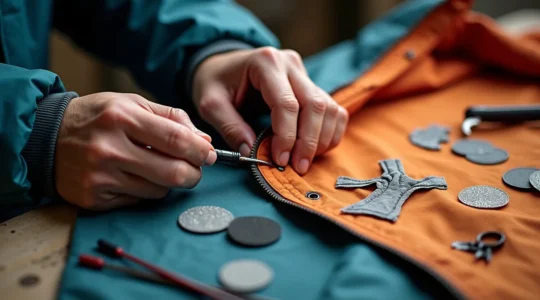
True gear sustainability isn’t about buying “eco-friendly” products; it’s about mastering the art of repair to radically extend the life of what you already own. Understanding why gear fails (like DWR loss or seam hydrolysis) is the first step to…
Read more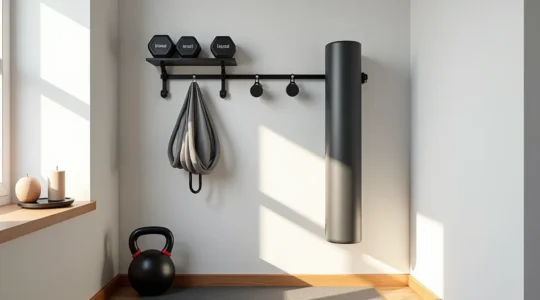
Building a home gym in a small apartment isn’t about compromise; it’s about smart spatial design. Prioritize multi-functional gear like adjustable dumbbells for maximum “Spatial ROI” and long-term scalability. Design an integrated workout ecosystem with layers: protective flooring, scalable weights,…
Read more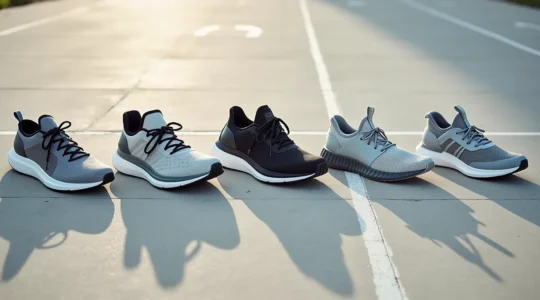
The biggest mistake in choosing running shoes is focusing on static arch type; the key to injury prevention is managing your dynamic gait mechanics. Footwear should counteract biomechanical flaws that appear during a run (like overpronation due to fatigue), not…
Read more
The true cost of sports gear isn’t the price tag; it’s the Total Cost of Ownership (TCO) over its entire lifespan. Cheap gear often fails quickly, leading to higher replacement costs that eclipse the initial savings. Premium equipment offers superior…
Read more